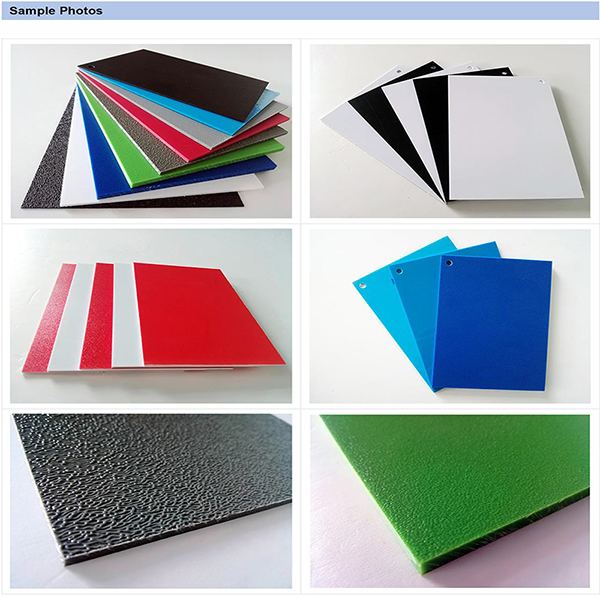
In recent years, the production and export of polyvinyl chloride (PVC) has become one of the most profitable and sought-after areas in the chemical industry. PVC is a versatile material that is used in various industries: from construction and the automotive industry to clothing and footwear. In this article, we will look at the main aspects of exporting a line of PVC profiles.Line of PVC profiles
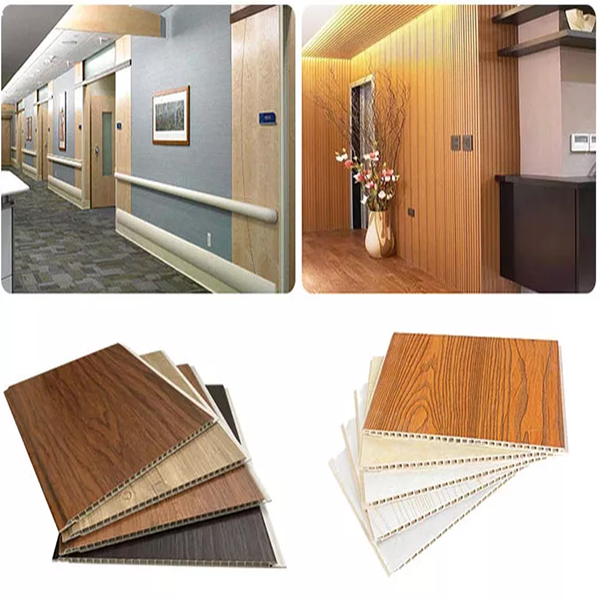
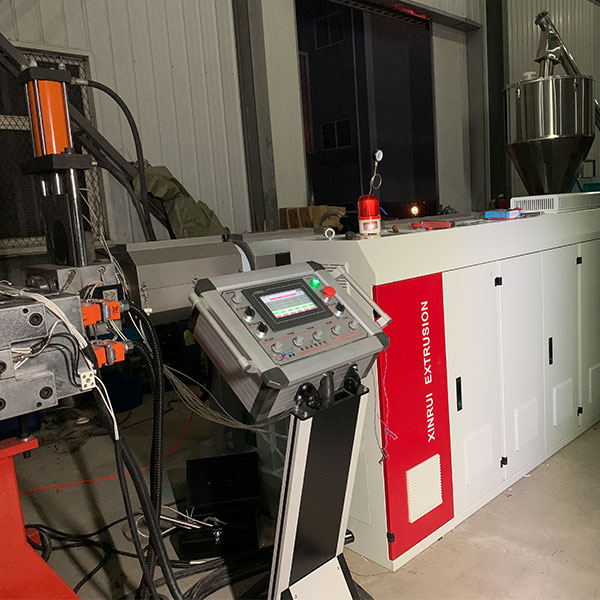
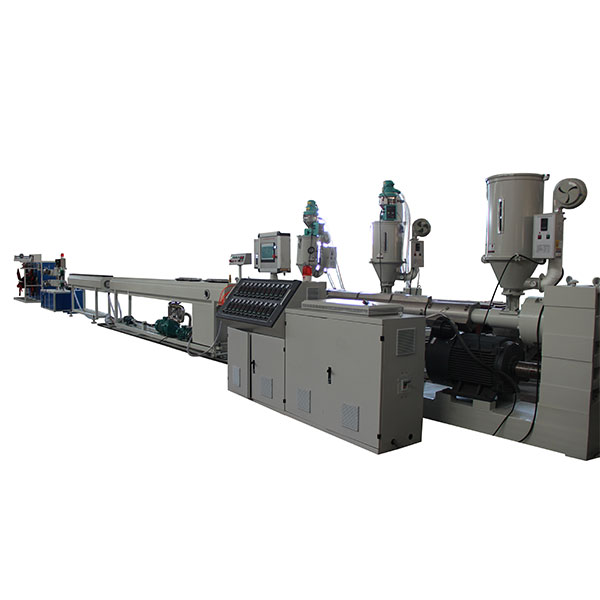
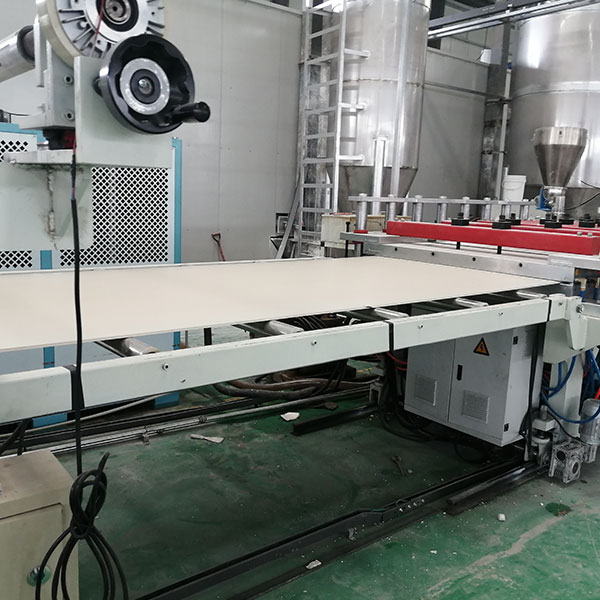
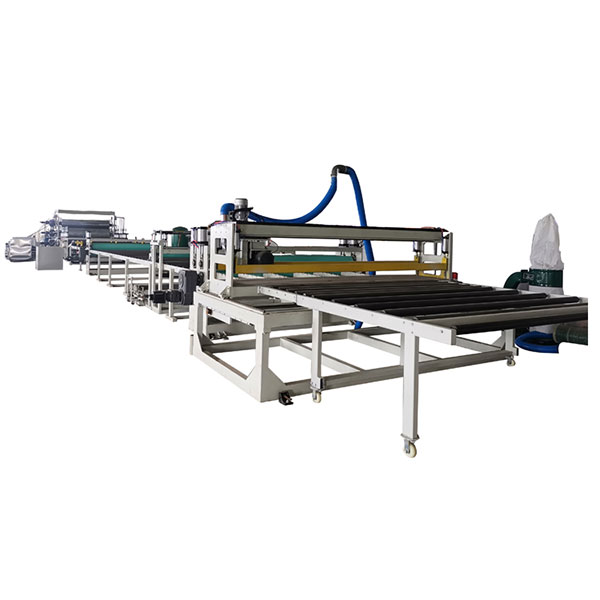
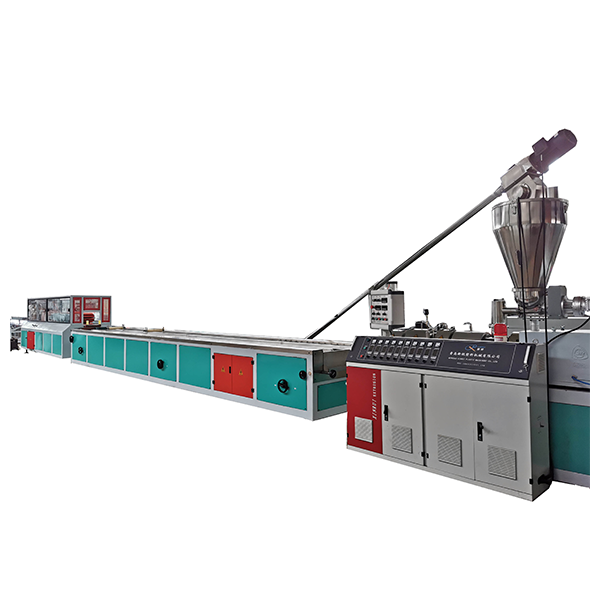
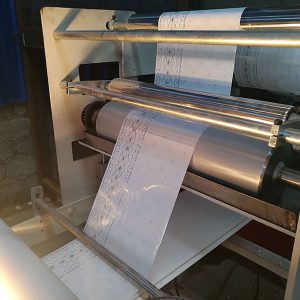
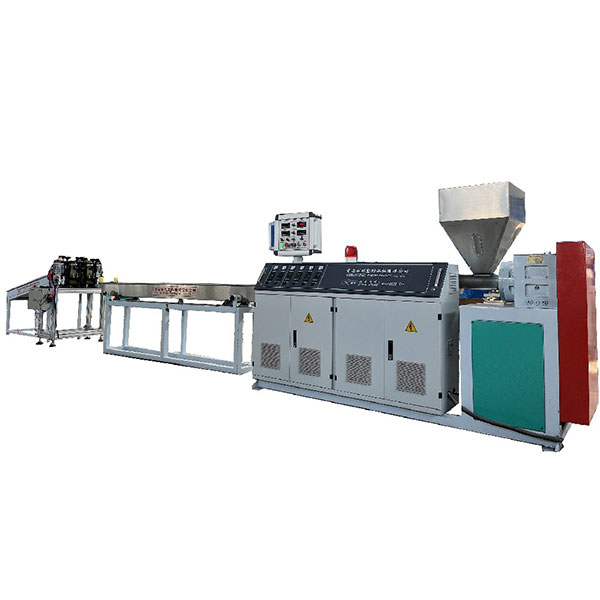
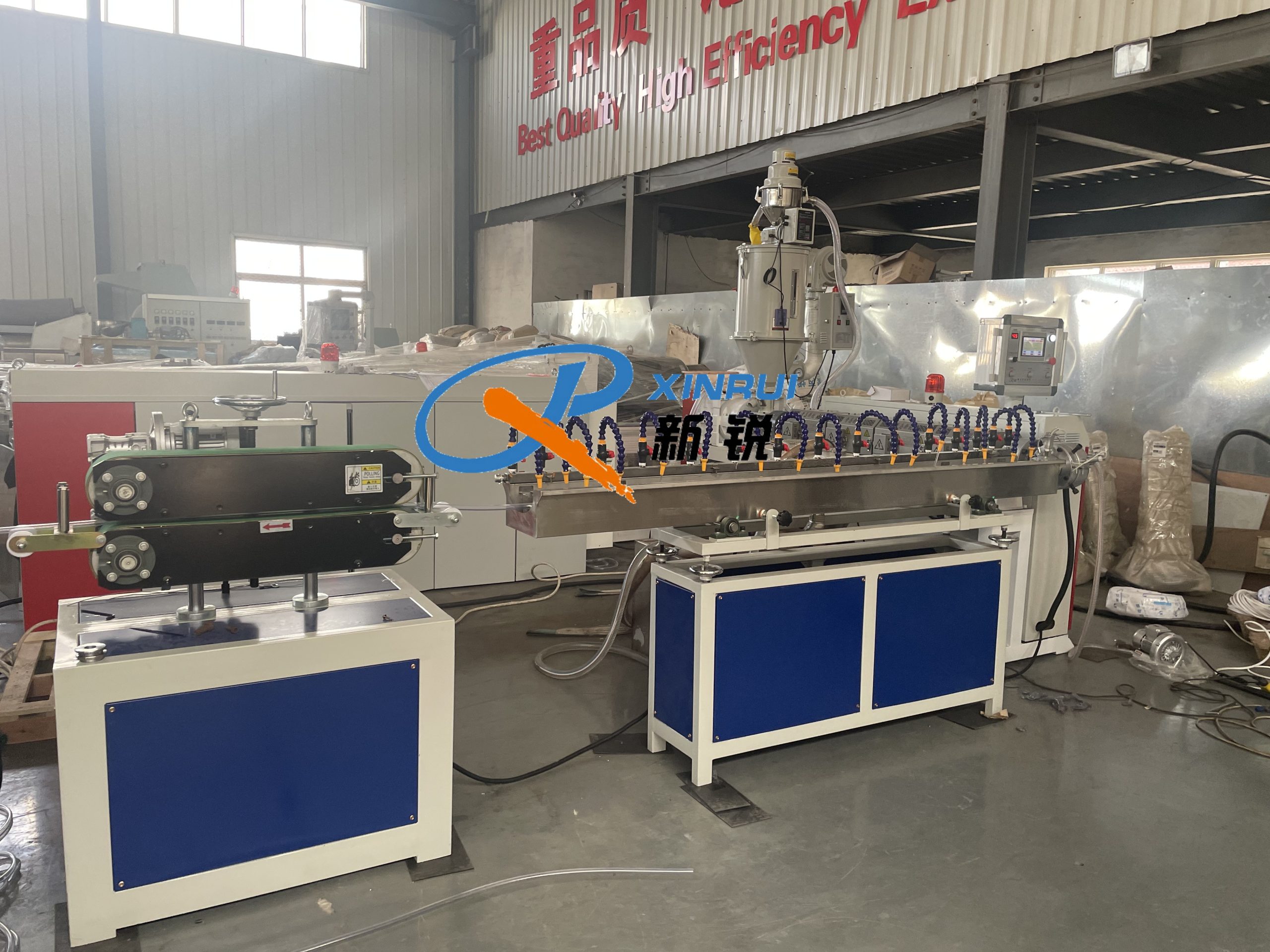
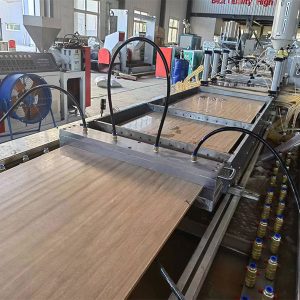
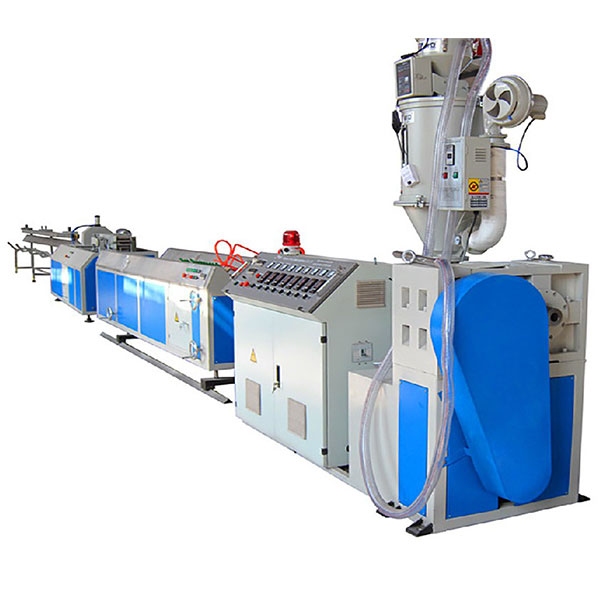
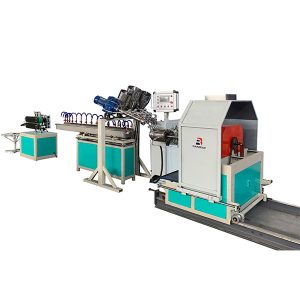
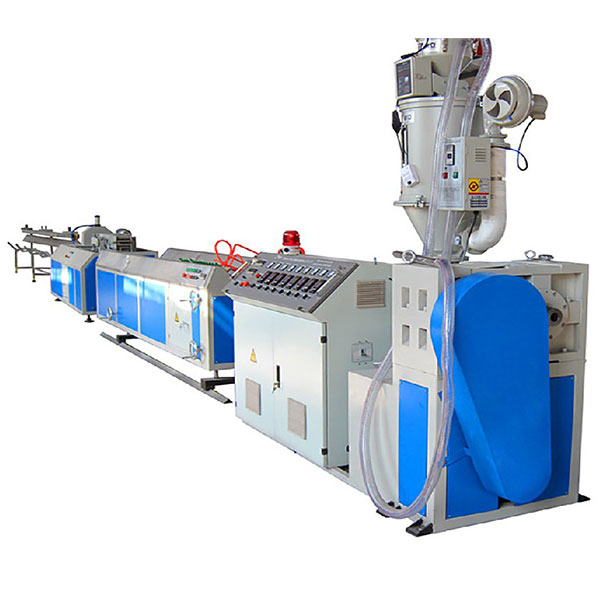
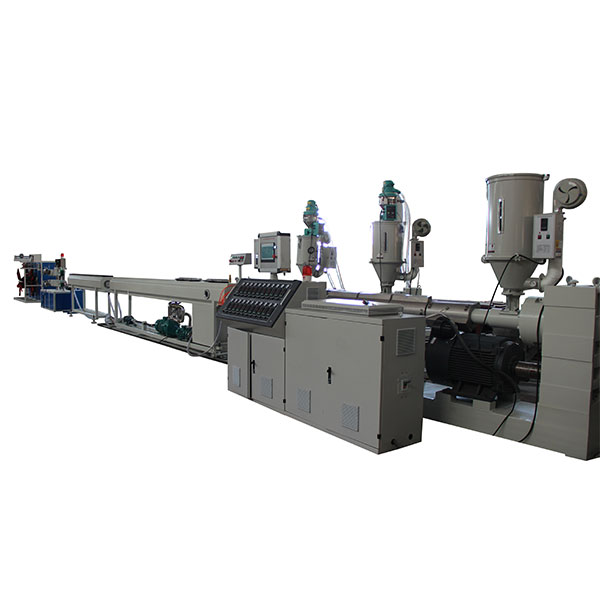
The PVC profile line is a set of equipment for the production of various PVC products, including window and door profiles, panels for walls and ceilings, skirting boards, moldings and much more. The export of such equipment is becoming increasingly popular as many countries seek to develop their industries and increase the production of PVC products.
PVC profile line exporters must consider many factors for successful trading. First, they must know the specifics of the market to which they plan to export equipment. This includes understanding local laws and regulatory requirements, as well as knowledge of consumer needs and preferences.
Secondly, exporters must have high-quality equipment. The quality of a PVC profile line directly affects the quality of the final product, so it is important that the equipment is reliable, efficient and durable. This also includes ensuring proper after-sales service and support.
Third, exporters must be able to compete in the international market. This means they must offer competitive prices, provide fast and reliable delivery, and provide excellent service and customer support.
In conclusion, exporting a line of PVC profiles is a complex and multi-factor process that requires in-depth knowledge and experience. However, with the right approach, it can become a very profitable business. It is important to remember that success in this field depends not only on the quality of the equipment, but also on the ability of the exporter to adapt to changing market conditions and meet the needs of its customers.