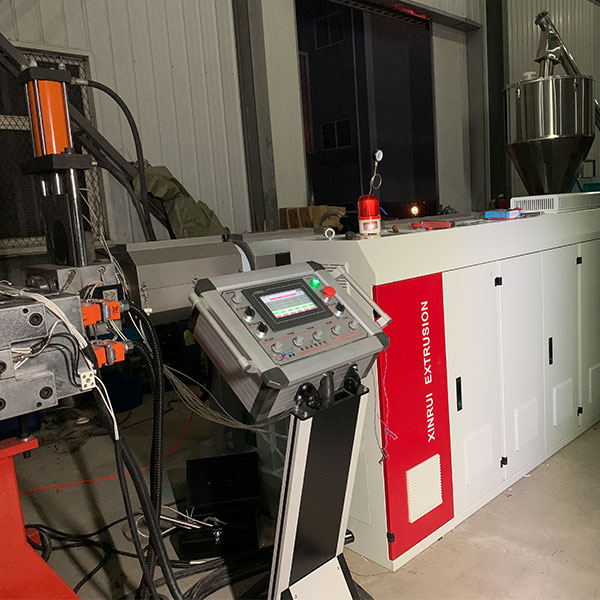
ABS film device: Process and benefits
ABS film is a type of plastic film made from acrylonitrile butadiene styrene copolymer (ABS). This material is widely used in various industries including automotive, construction and electronics due to its high strength, impact resistance and chemical resistance. In this article, we will look at the process of making ABS film and its benefits.
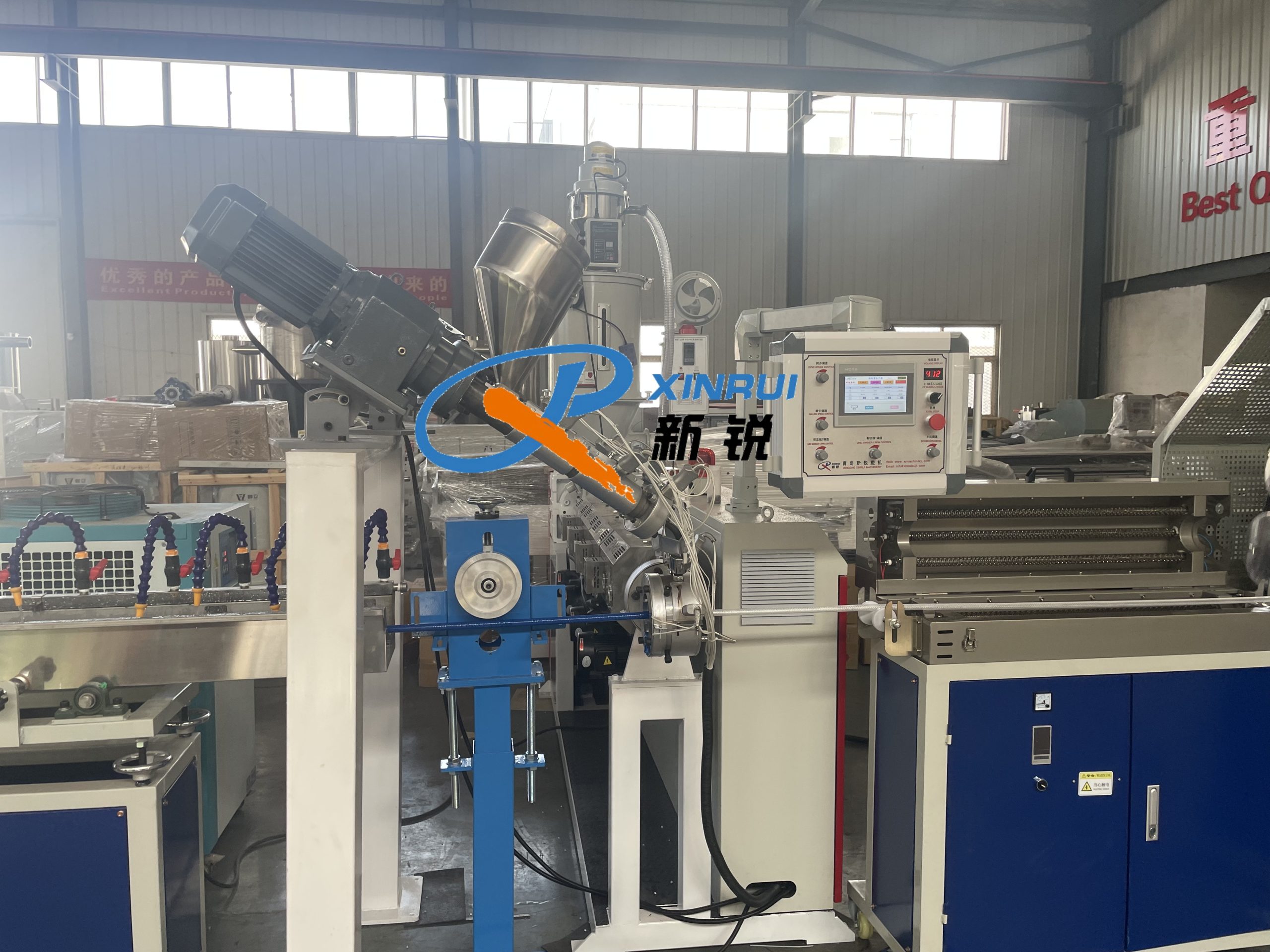
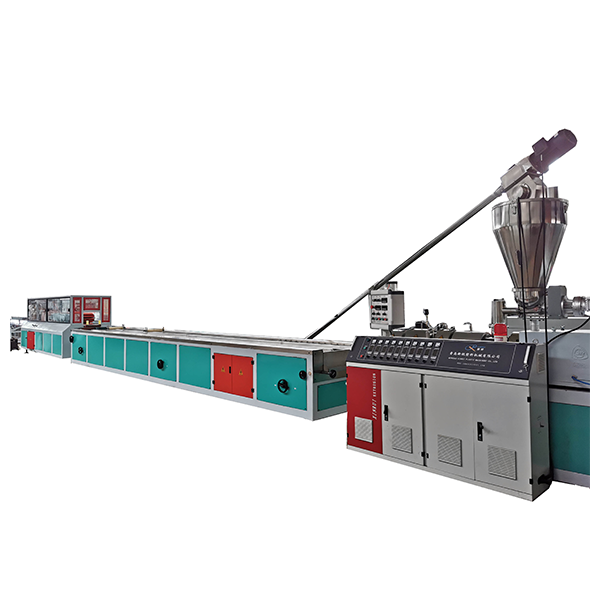
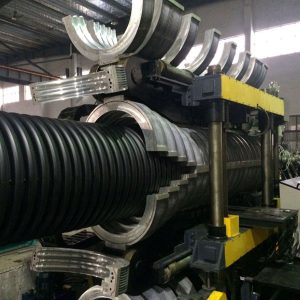
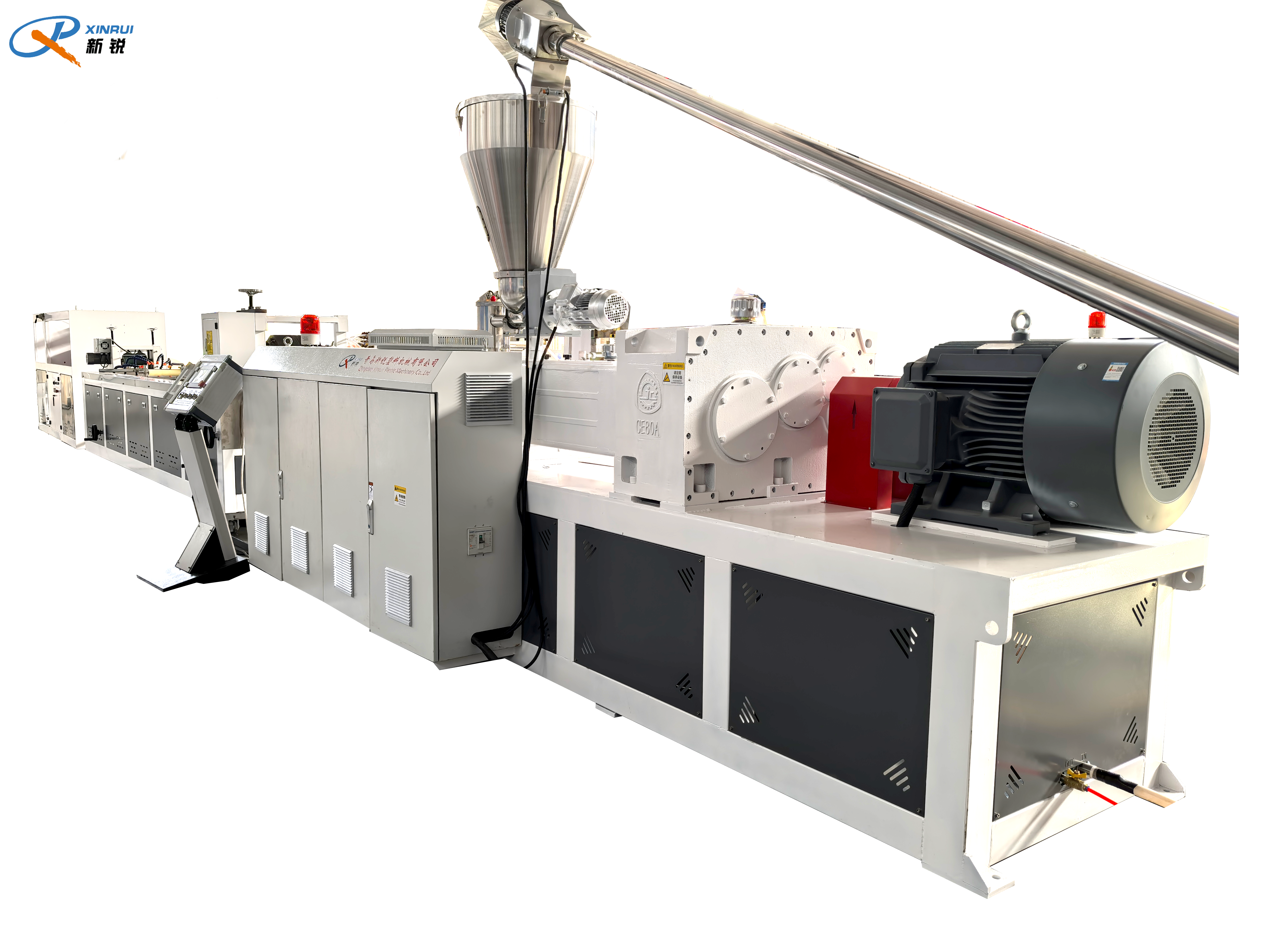
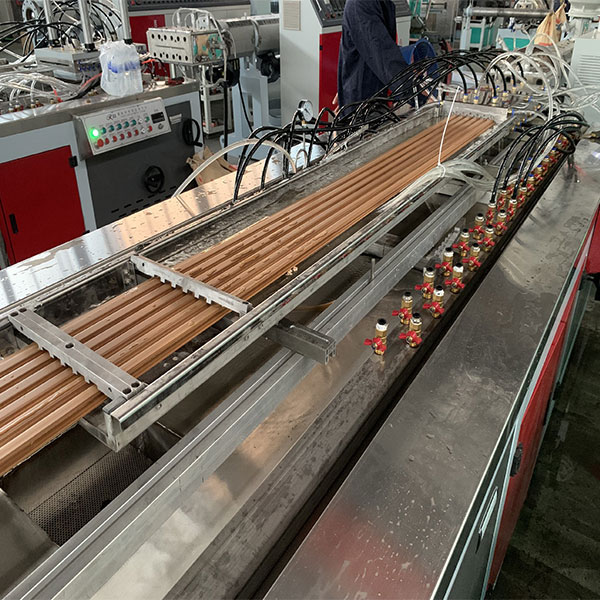
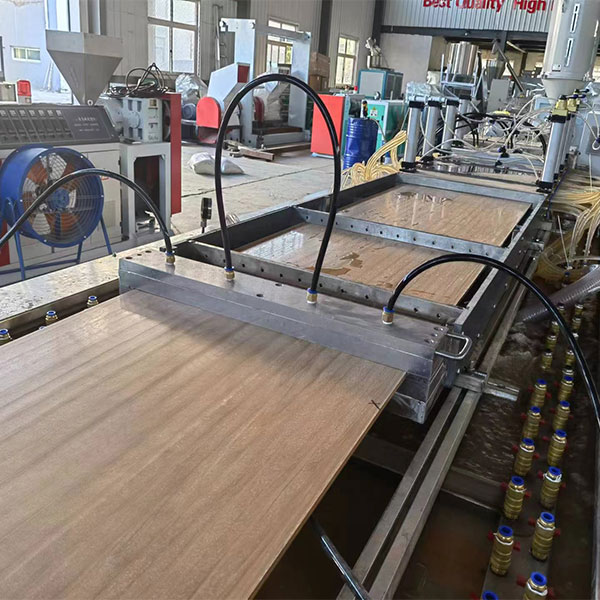
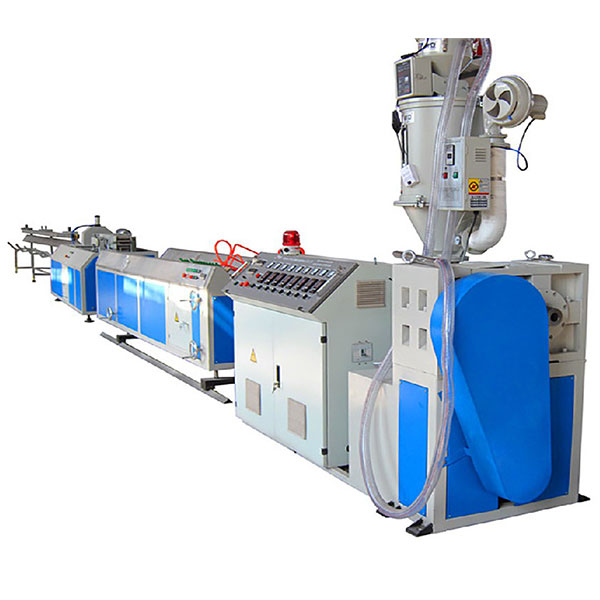
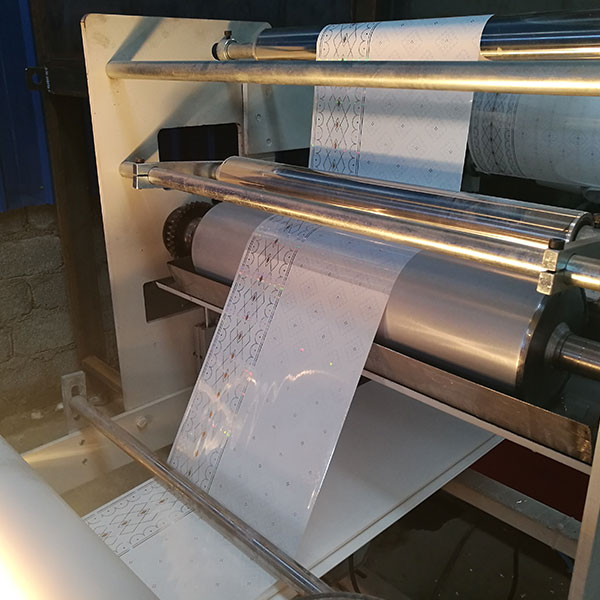
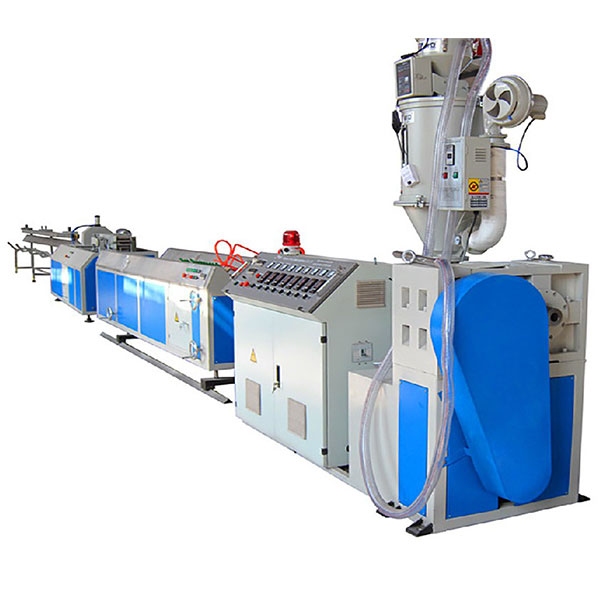
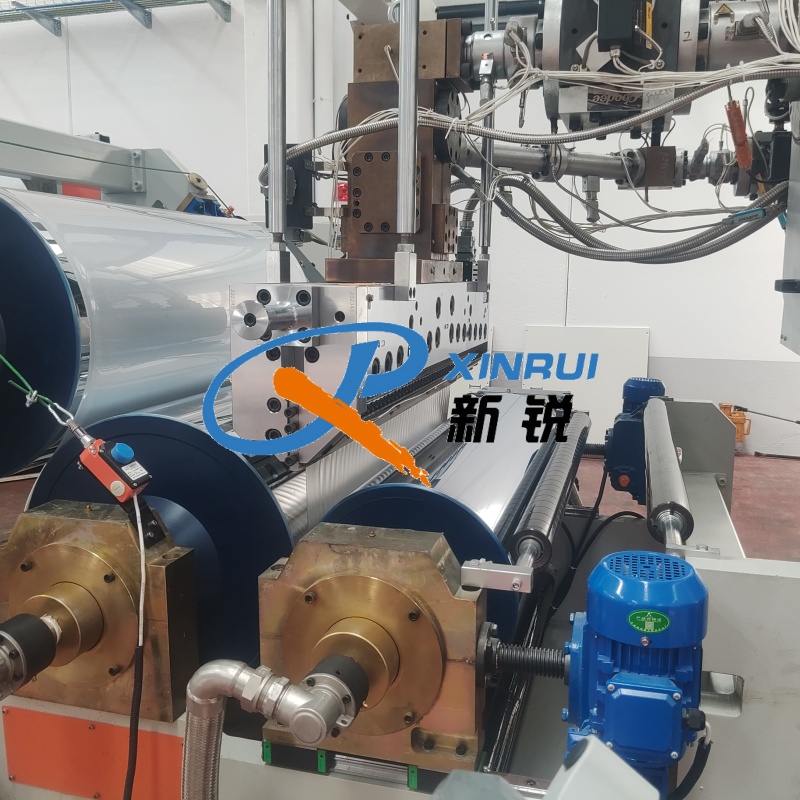
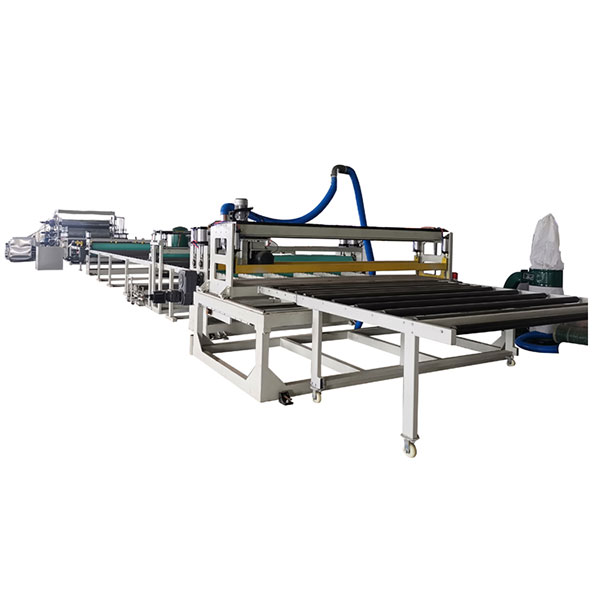
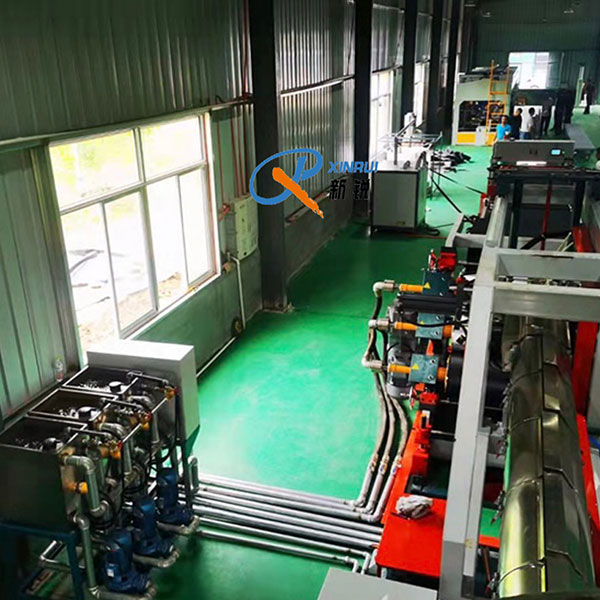
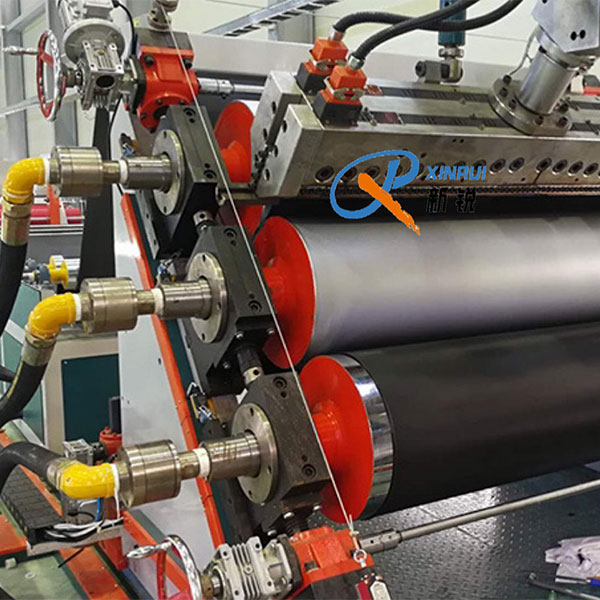
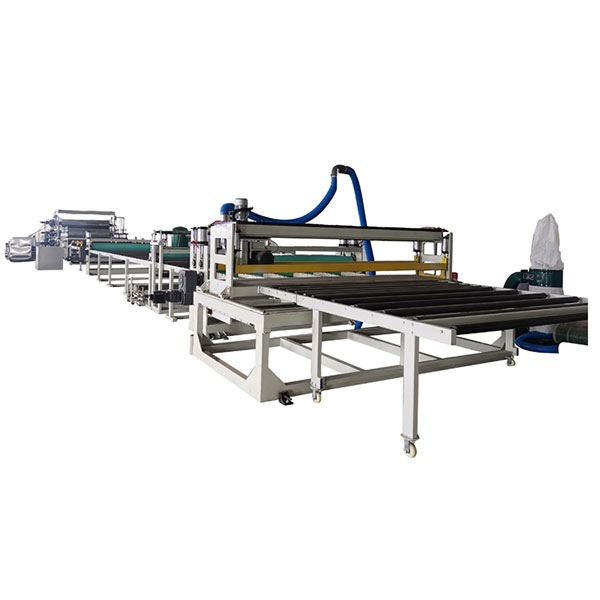
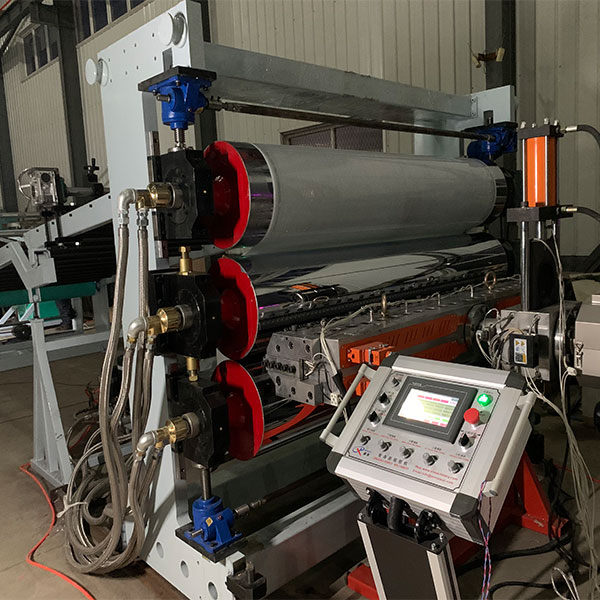
The manufacturing process of ABS film begins with the receipt of raw materials - acrylonitrile, butadiene and styrene. These components are mixed in certain proportions to obtain an ABS copolymer. This copolymer is then subjected to an extrusion process to form a film. This process involves heating the copolymer to a temperature where it becomes plastic and then pressing it through a mold to produce a film of the desired thickness and width.
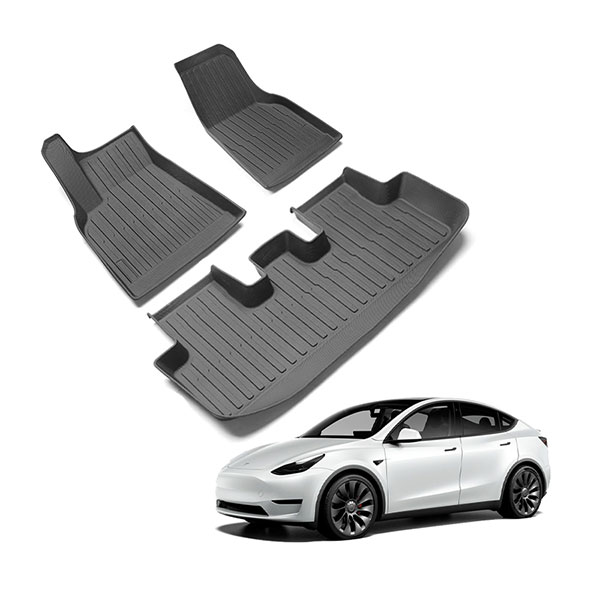
One of the main advantages of ABS film is its high strength and shock resistance. This makes it an ideal material for use in the automotive industry where high strength and impact resistance are required. In addition, ABS film has good chemical resistance, allowing it to be used in environments where other types of plastic may be susceptible to corrosion or deterioration.
ABS film also has excellent thermal stability, allowing it to be used in high temperature environments. This makes it an ideal material for use in the electronics industry, where it can be used to make housings for electronic devices that must withstand high temperatures.
In addition, ABS film has excellent flexibility, allowing it to be used in a variety of shapes and designs. This makes it an ideal material for use in the construction industry, where it can be used to make various decorative and finishing elements.
In conclusion, ABS film is a versatile material that offers several advantages including high strength, impact resistance, chemical resistance and thermal stability. Thanks to these properties, it has found wide application in various industries.