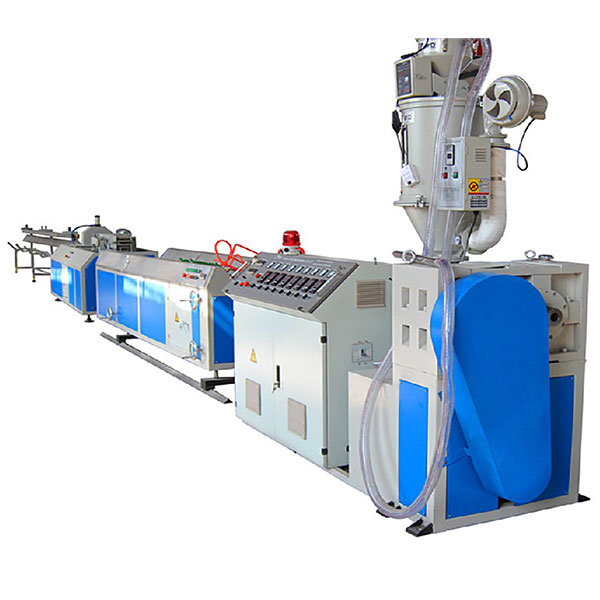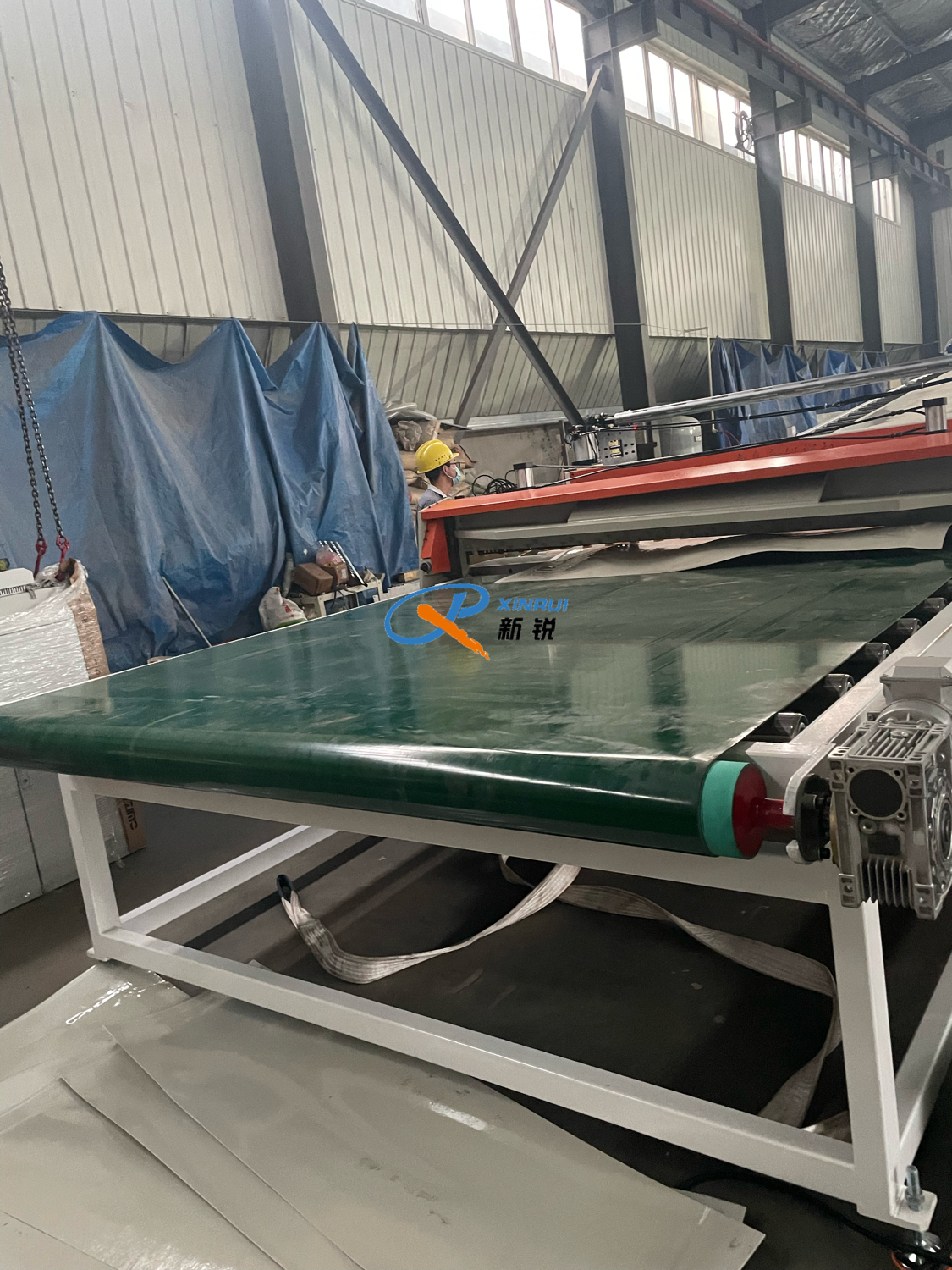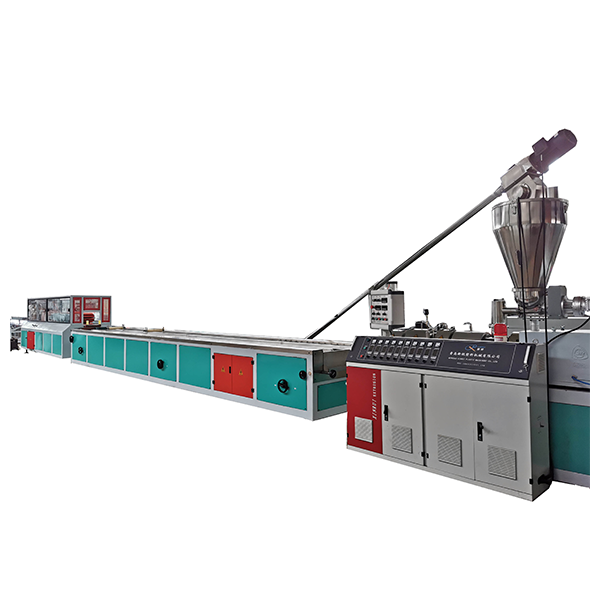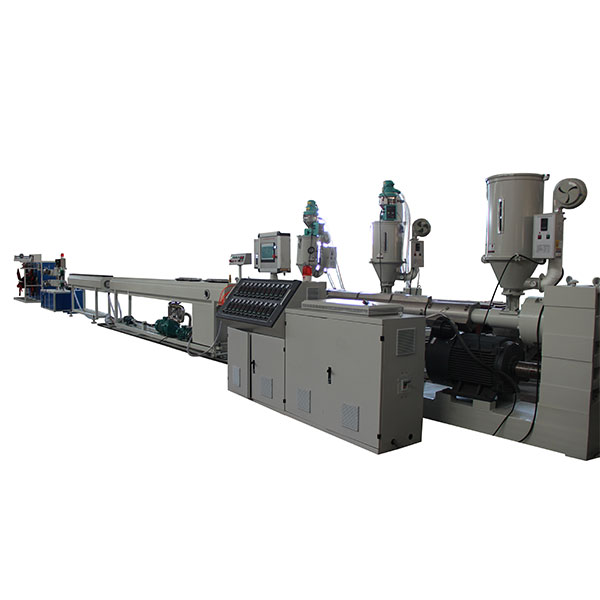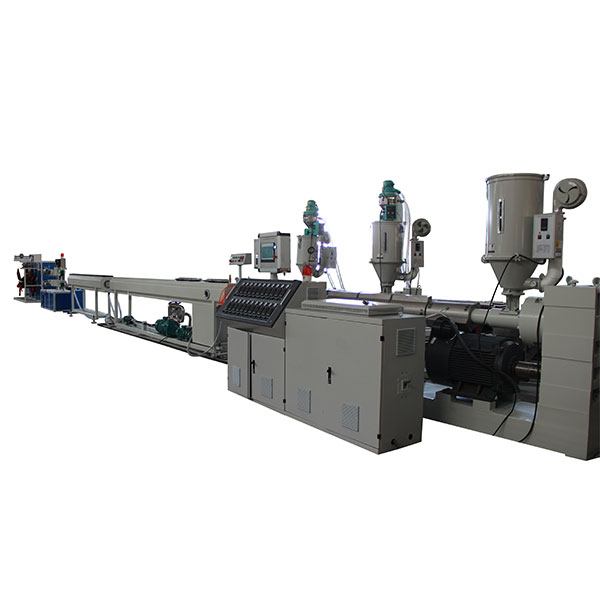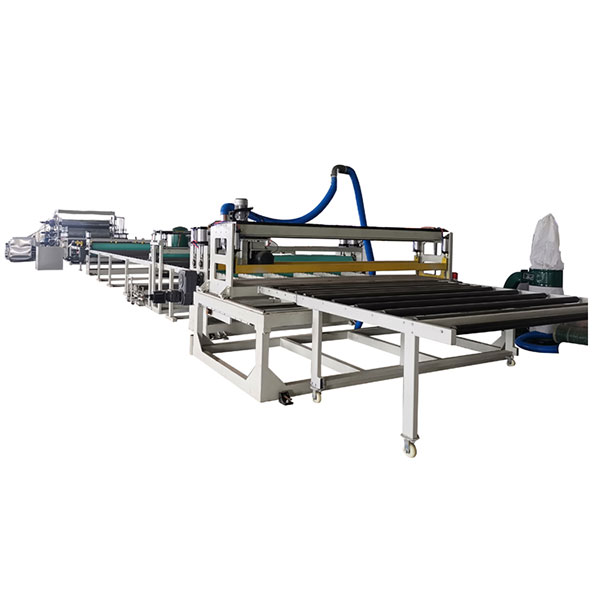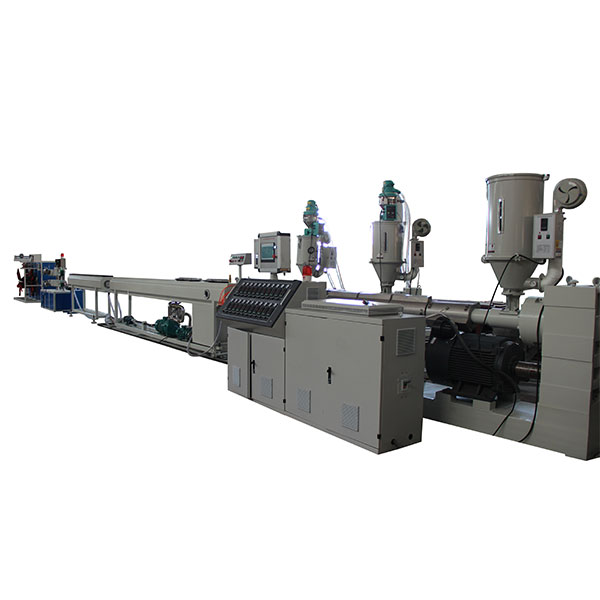
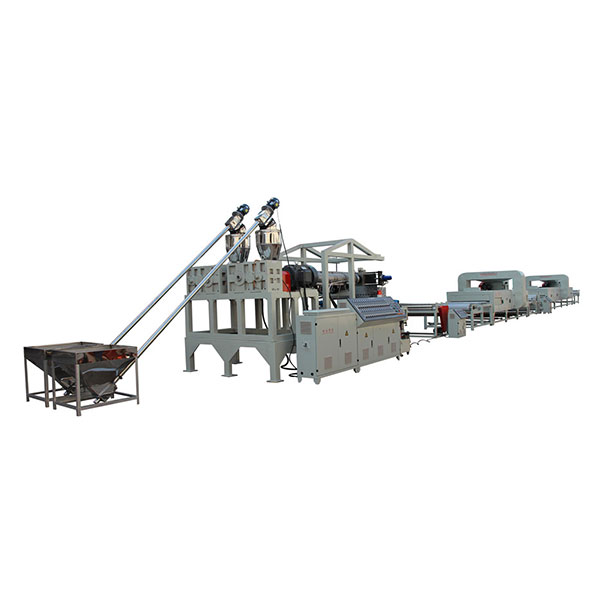
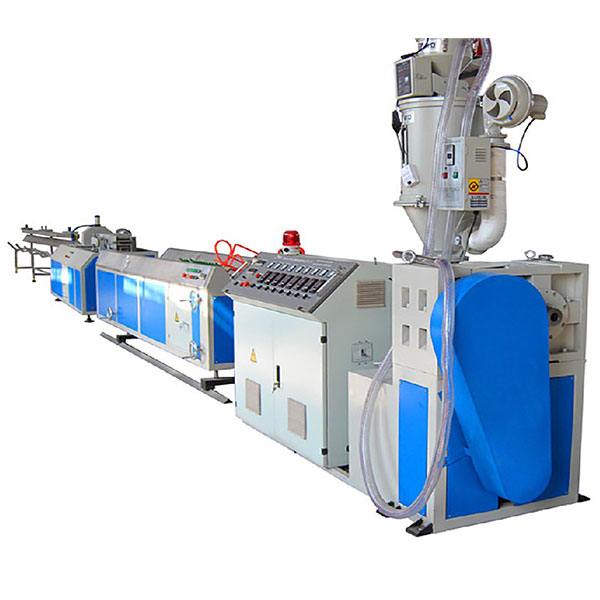
Polypropylene film extrusion linesBoards are one of the most common types of plastic materials used in various industries. They are made using a process known as extrusion, which involves heating and molding a polymer material in a special machine called an extruder.
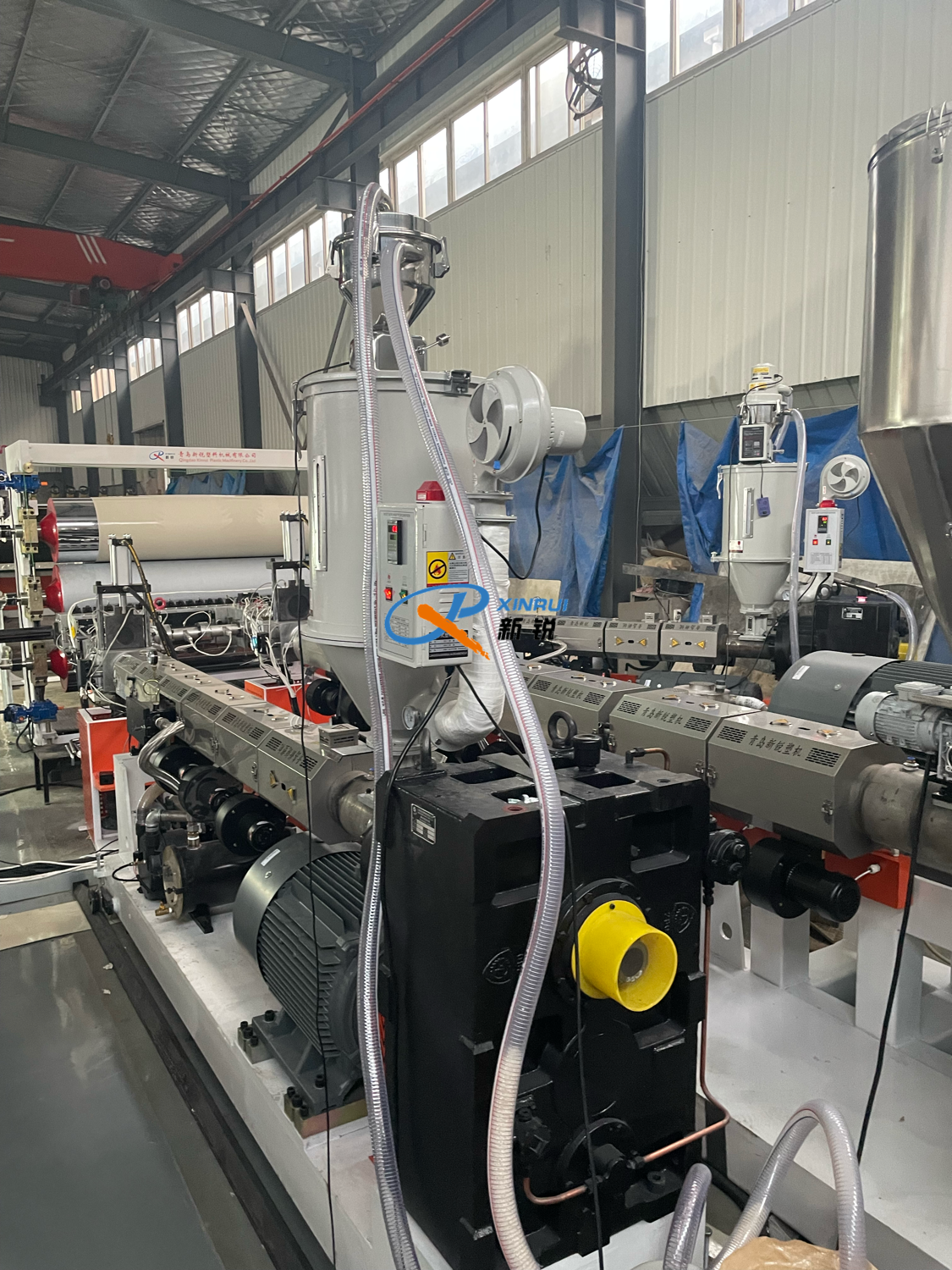
The extrusion process begins with the loading of raw materials - polyethylene granules - into the extruder loading hopper. The pellets are then fed into an extruder barrel where they are heated to a temperature at which the polyethylene becomes pliable and can be molded.
Inside the barrel there is a screw that mixes and transports the molten polyethylene to the extruder head. The extruder head has a shape that determines the final shape of the slab. After passing through the extruder head, the molten polyethylene cools and hardens into a slab shape.
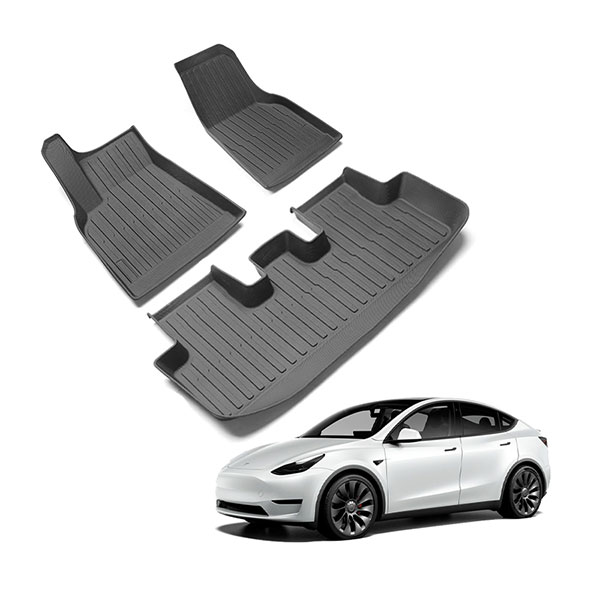
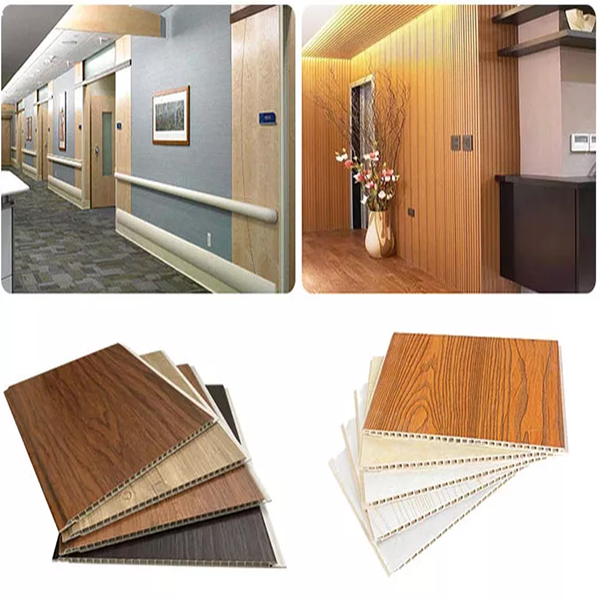
One of the key benefits of using polyethylene thermoforming boards is their flexibility and resistance to various chemicals. This makes them an ideal material for use in industries such as construction, automotive and packaging.
It is important to note that the extrusion process requires precise control of temperature and speed to ensure uniform and high-quality molding of the slabs. In addition, regular maintenance and servicing of the equipment is necessary to ensure process efficiency and final product quality.
In conclusion, polyethylene thermoforming boards play an important role in modern industry due to their flexibility, chemical resistance and ability to be molded into a wide range of shapes and sizes. The process of their production, although complex, can be efficient and cost-effective if managed correctly.