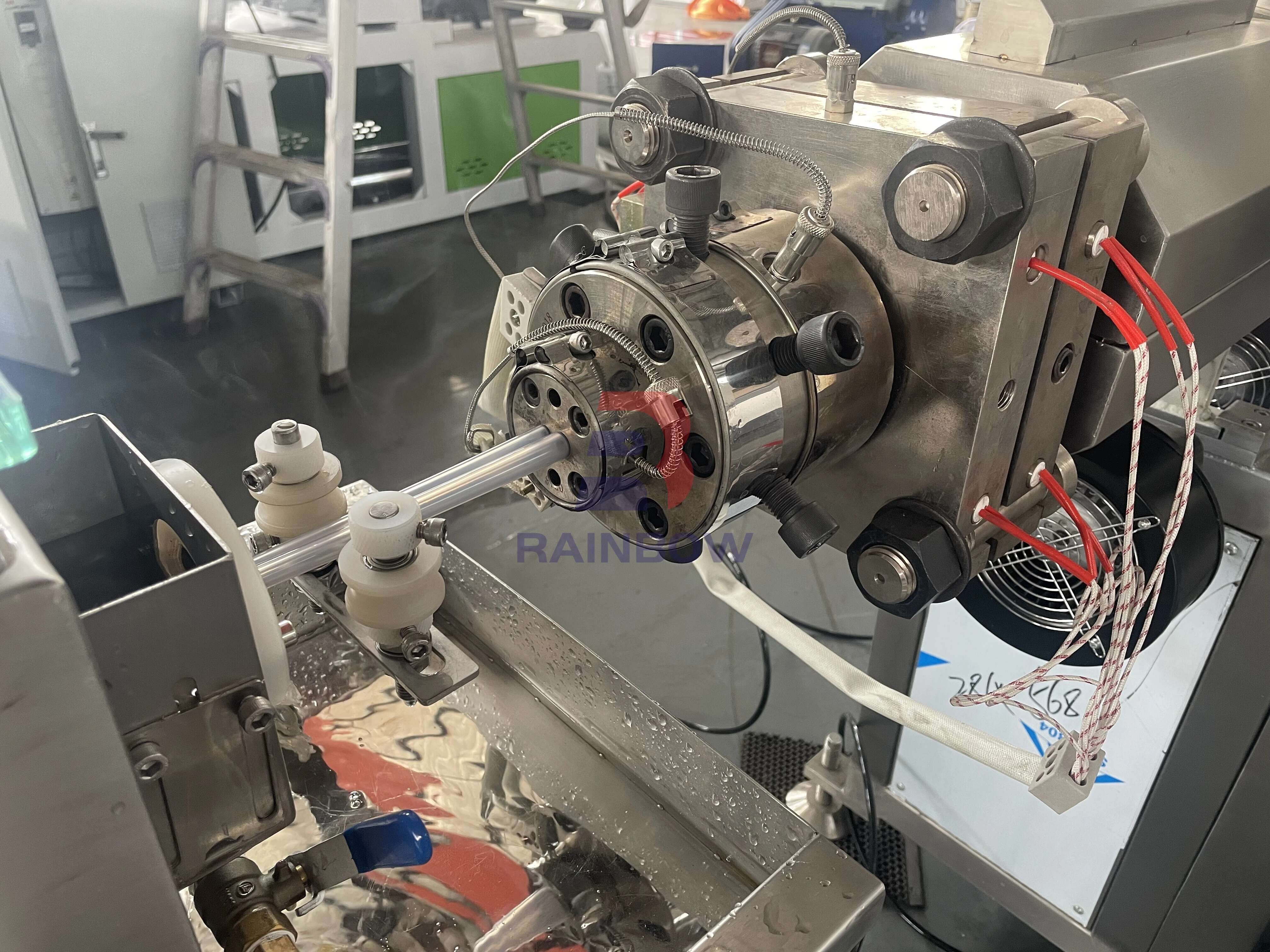
What is the key to producing high precision medical tubing?
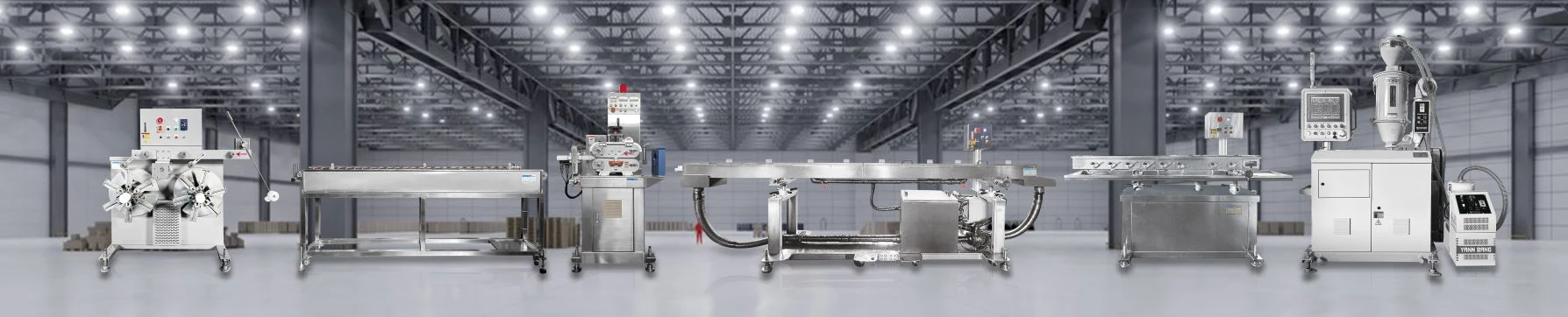
Modern healthcare requires tubes that provide flawless performance and uncompromising safety. To achieve this goal, manufacturers must rely on extrusion systems that combine mechanical precision, material compatibility and intelligent automation. At the heart of this process is an extrusion machine - a motor that transforms raw polymersinto high quality medical tubes.
Why are medical tubes critical in modern healthcare?
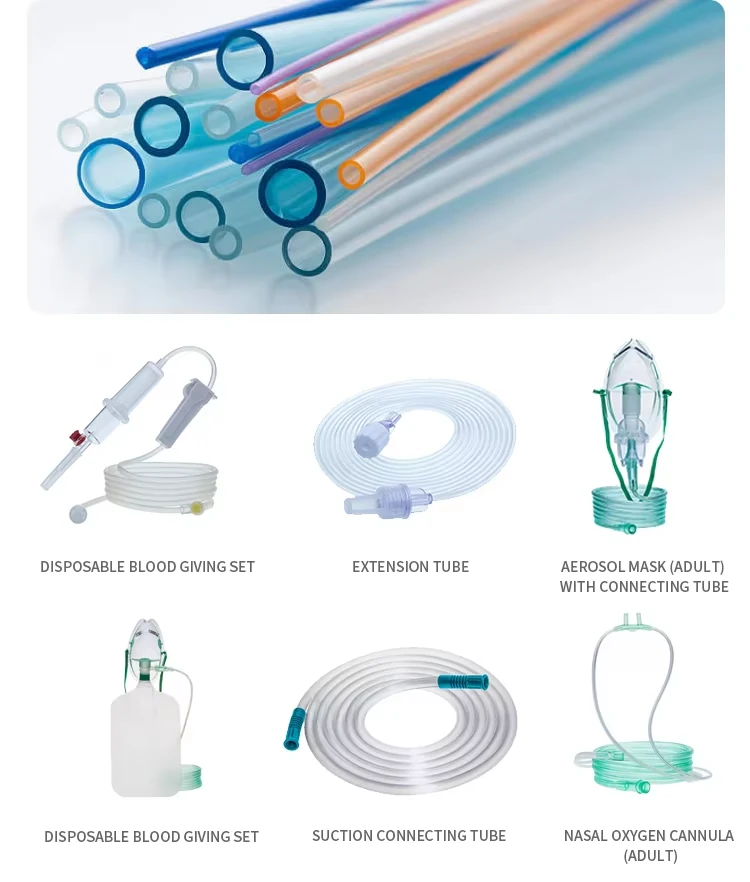
Medical tubesare an important component of modern healthcare systems and are widely used forintravenous infusions, blood transfusions, catheterization, respiratory therapy, anesthesia, etc.. Due to their direct interaction with the human body, they are subject to strict requirements regarding safety, accuracy and material uniformity. As medical technology advances, demand for tubes with improved performance, transparency and adaptability increases, driving innovation in manufacturing processes.
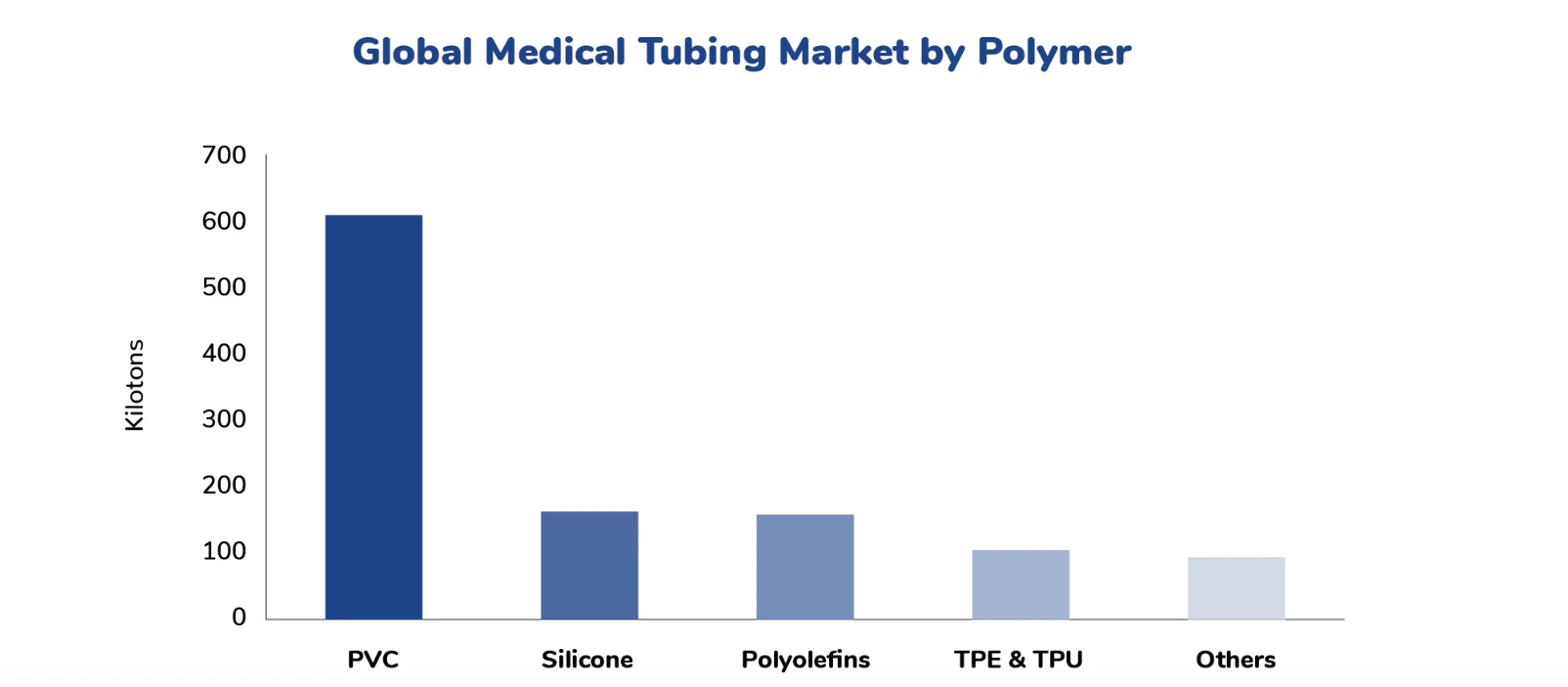
Why does PVC remain the leading material for medical tubing?
Polyvinyl chloride (PVC) continues to dominate the marketdisposable medical tubesthanks to its outstanding properties:
Excellent biocompatibility: safe in contact with the body, with minimal risk of allergic or rejection reactions.
High Transparency: Allows medical personnel to clearly monitor the flow of fluid inside the tube.
Excellent machinability: Thermoplastic properties allow it to be easily formed into various shapes.
Cost effective: Low production costs make it ideal for large scale production.
Highly flexible and customizable: PVC can be adjusted in hardness, color and transparency, adapting to various medical applications.
What medical grade polymers are appearing on the market?
To meet more complex clinical requirements, several high-performance medical grade polymers are becoming increasingly popular: PB (Polybutene): Has excellent heat resistance and oxidation stability, suitable for short-term indoor applications. TPU (Thermoplastic Polyurethane): Known for excellent mechanical properties, abrasion resistance and biocompatibility - ideal for long-term implants. PP/PE (polypropylene/polyethylene): chemical and cold resistant, suitable for urinary and respiratory catheters. TPE (Thermoplastic Elastomer): Highly flexible and elastic, ideal for flexible or stretchable tubing. PA (Polyamide/Nylon): Highly strong and durable, used in high performance or long lasting medical tubing. XINRUI extrusion line supports a wide range of materials, allowing you to efficiently produce various typesmedical tubespurposes and expand potential applications.
How does Rainbow ensure the highest standards of safety and quality?
XINRUI extrusion systems are designed specifically for the medical industry and meet strict hygiene and safety standards:
The cooling tank with a tempered glass lid prevents environmental pollution.
Transparent acrylic protective covers on outlet and cutting devices ensure cleanliness and control of production.
Special screw for soft PVCimproves plasticization, resulting in smooth, crystal-free tubing surfaces that meet medical standards and ensure biocompatibility.
Stainless steel construction ensures durability and corrosion resistance.
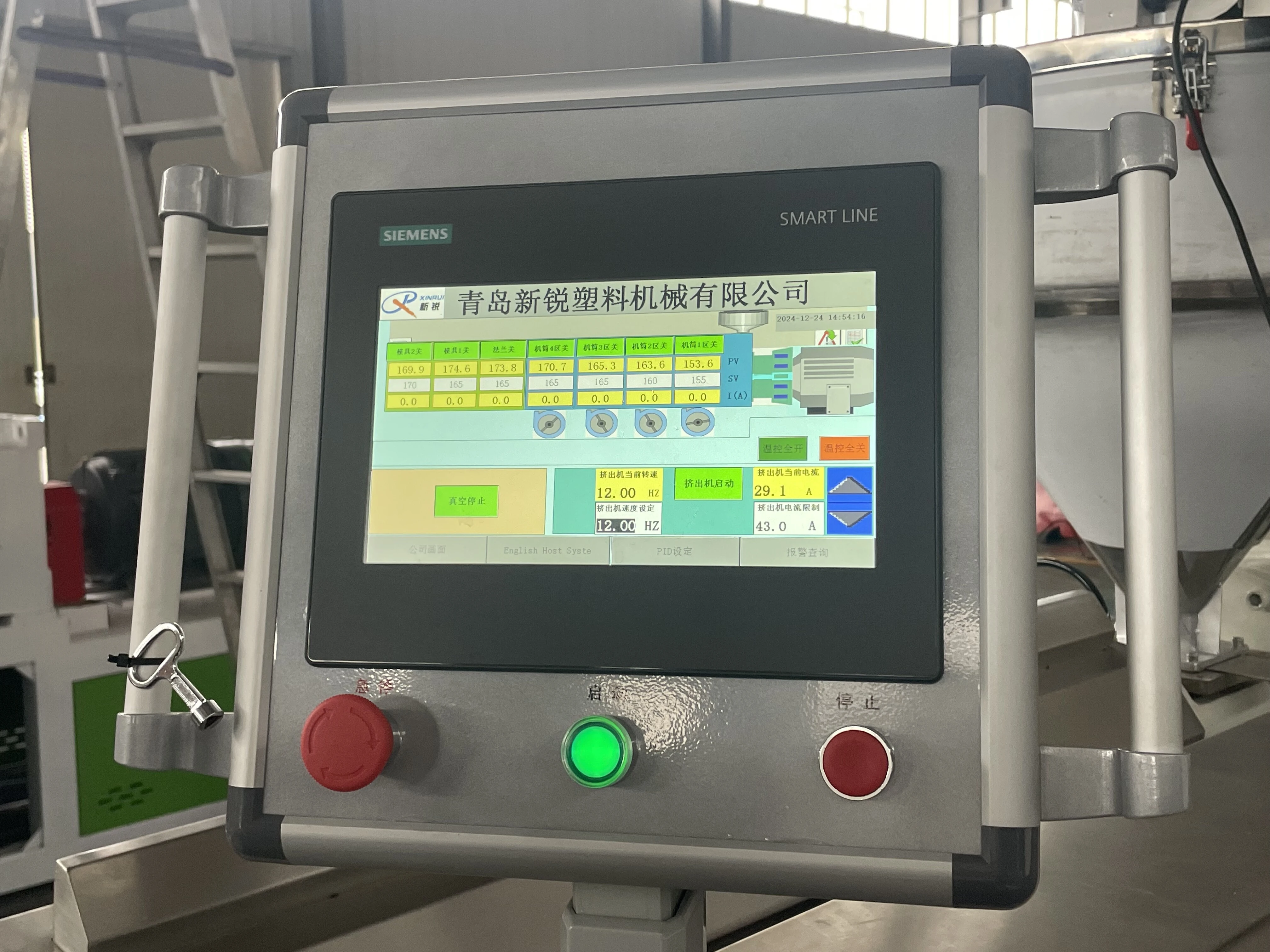
Touch screen control allows precise control and easy adjustment of production parameters.
How did XINRUI confirm the efficiency of the line?
What is the main technology for producing high-precision medical catheters?
▶Extruder
Specialized precision screws and cylinders ensure uniform plasticization of the material, and a temperature control system prevents degradation of the material during long-term operation. With stable structure and constant performance, it serves as the main power source for the entire production line.
▶Forming and sizing system Multi-chamber molds allow single-step extrusion of multi-lumen catheters to meet the requirements of complex surgical procedures or multi-channel delivery.
An online calibration system ensures precise control of size and roundness during the cooling process, further enhancing product quality consistency.
▶Cooling and cutting unit The cooling system features precise temperature control, which prevents deformation and improves surface quality.
What extrusion technologies are used most often?
Single layer extrusion: Suitable for general purposes such as making IV tubing and urinary catheters.
Multilayer coextrusion: Used to produce tubes with composite structure and special features such as antibacterial layers or soft-hard composite layers.
Is medical grade PVC an environmentally sustainable material?
Yes! PVC is a recyclable material. For example, PVC pipes can last over 100 years and can be recycled up to 10 times without the need for new materials. Recycling of medical-grade PVC is already well established: it began more than ten years ago in an Australian hospital and is now carried out in nine countries around the world. Rainbow equipment is designed with these sustainability goals in mind, helping to create a greener future for the medical device industry.
With advanced extrusion technology and precision engineering, xinrui provides highly efficient, reliable and environmentally friendly medical tubing solutions, contributing to raising standards and efficiency in the global medical device industry.