In today's world, technology is developing at an incredible speed, and its impact is felt in all areas of industry. In particular,polypropylene film production plantsare experiencing significant change due to innovation. Improving product quality, reducing production costs and reducing environmental impact are just a few of the advances made possible by the introduction of new technologies. The processing of polypropylene has also changed dramatically, providing thinner, lighter and stronger films that meet the most stringent market requirements. In this article, we take a closer look at how innovation is transforming this sector and which technologies are becoming key success factors forPolypropylene film device factory.
Technological innovations in film production
Modern production processes are becoming increasingly dependent on advanced technologies. In particular, the use of digital tools contributes to better management of all stages of the production cycle. Automation and robotization of processes can significantly reduce labor costs and minimize errors associated with the human factor. Moderndevices for the production of polypropylene filmare now equipped with self-diagnosis and optimization systems, which ensures high reliability and efficiency.
Digital quality control has also become an integral part of production. Special sensors and software allow continuous monitoring of product parameters, ensuring compliance with international standards. The use of virtual simulations in the development process makes it possible to simulate the behavior of materials and structures, which significantly reduces the time to launch new products into production.
Environmental aspects and sustainable development
Every year, environmental responsibility becomes more and more important. Factories strive to minimize the carbon footprint of their products, and innovation plays a key role in this process. New methods have been developed for processing polypropylene, which significantly reduces the amount of waste. Use of renewable energy sources inPolypropylene film device factoryalso helps reduce negative impacts on the environment.
Energy-efficient production technologies make it possible to reduce energy consumption at all stages of the technological process. Modern systems for recycling and reusing waste close the production cycle, making it more efficient and environmentally friendly. The advent of biopolymers and composite materials opens up new prospects for sustainable development.
Increased efficiency and reduced costs
Cost optimization and efficiency improvement are key aspects in today's competitive environment. Innovations contribute to a significant reduction in the costs of production and maintenance of equipment. Integrating the Internet of Things (IoT) into production processes enables real-time data exchange, allowing quick decision making and avoiding downtime.
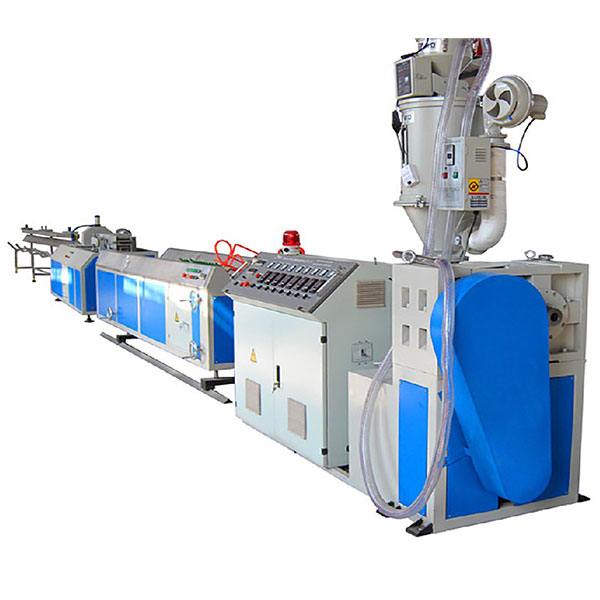
Moderndevices for the production of polypropylene filmare equipped with advanced control systems that allow you to precisely configure production parameters for specific tasks. This not only increases overall production efficiency, but also saves on raw materials. At the same time, logistics optimization programs can significantly reduce the costs of transportation and storage of products.
New materials and their impact on product quality
The development of new materials plays an important role in improving product performance. The advent of nanomaterials could significantly change the industry, providing films with unique properties ranging from increased strength to better transparency. The introduction of such innovations allows us to create products that confidently compete in the global market.
Advanced chemical engineering allows the creation of unique polymer combinations that provide outstanding film performance. This opens up new opportunities for her to produce specialized products designed for specific applications, such as food, medical or technical packaging.
The influence of scientific research on production development
Continuous investment in research and development of new technologies plays an important role in maintaining competitiveness. Forpolypropylene film production devicesAn important aspect is the continuous improvement of equipment performance. By introducing innovative methods, significant improvements in productivity and quality can be achieved.
Collaborations between manufacturing companies, universities and research institutes are becoming drivers for the introduction of new technologies. This creates a favorable environment for innovation and accelerates the processes of their adaptation in industrial production. Close cooperation also allows us to quickly implement new ideas and solutions, which becomes a factor for success in the global market.
The future of the industry and development prospects
The polypropylene film industry is on the verge of significant changes driven by technological innovation. Every day the production process becomes more complex and international. The future of this industry promises to be eventful and open to new opportunities.
The integration of artificial intelligence and machine learning technologies into production processes will allow the plant to operate at a fundamentally new level. The devices will be able to independently adapt to external market changes, offering high-quality products to consumers. This will increase customer satisfaction and strengthen global competitiveness.