Sheet extrusion technology continues to make significant progress, especially in countries such as China, where innovative manufacturing is becoming a key driver of competitiveness. In recent years, sheet extrusion processes have been undergoing a transformation, linking industrial sector solutions with sustainable development and advanced technologies. This area is evolving due to improvements in production methods and processing of materials such as PP, PE and ABS. Such advances not only improve product quality, but also open up new opportunities for manufacturers. Among the variety of sheet extrusion equipment, the following stand out:PP PE ABS Thick Sheet/Carton Vacuum Forming Extrusion Line in China, which has become a symbol of the modern approach to production in this sector.
Innovations in extrusion materials
In recent years, rapid developments in the field of extrusion raw materials have significantly impacted the market. The introduction of new polymers such as PLA and biopolymers has been an important step towards more environmentally friendly production. However, traditional materials such asPP, PE and ABS, continue to play a leading role due to their reliability and cost-effectiveness. Each of these materials provides unique benefits that can be tailored to meet specific production requirements. Chinese companies are actively exploring ways to improve the properties of polymers to improve the quality and functionality of the final product. The use of such measures allows manufacturers not only to reduce costs, but also to significantly improve the environmental performance of their products.
Technological Advances in Extrusion Equipment
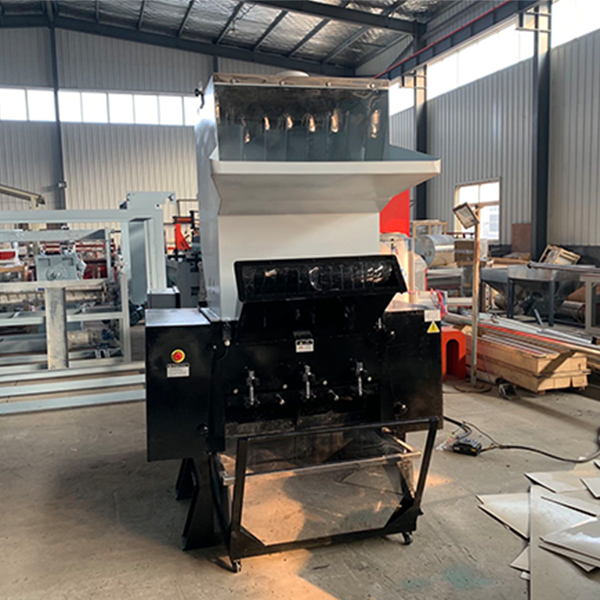
Modern advances in extrusion equipment play a key role in improving quality and productivity. Equipment such asPP PE ABS Thick Sheet/Carton Vacuum Forming Extrusion Line in China, characterized by increased energy efficiency and the ability to produce sheets of various sizes and thicknesses. The introduction of automated control and monitoring systems into equipment can significantly improve the accuracy and stability of the extrusion process. This makes the technology available to a wide range of businesses that seek to maintain high levels of product quality while maintaining minimal environmental impact.
Environmental aspects and sustainable development
Leading manufacturers are paying more and more attention to environmental aspects of production. Current trends in sheet extrusion are aimed at reducing waste and reducing energy consumption. Companies are introducing recycling systems and developing more environmentally friendly technologies. This is an important step towards sustainability and improves the environmental footprint of production. Chinese enterprises are actively adapting their processes to new environmental safety standards, which helps improve their international image. These efforts serve as an example of how extrusion can integrate sustainability principles into its operations.
Adaptation to market requirements
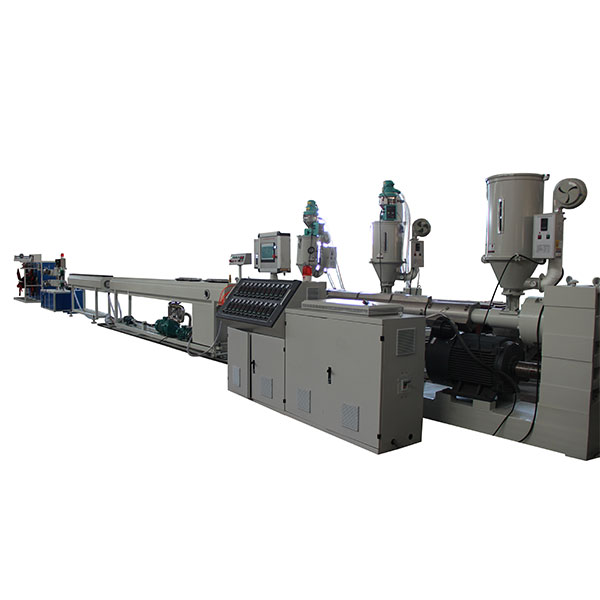
The demand for extrusion sheets continues to increase due to the development of various industries. Chinese manufacturers are forced to adapt to new market conditions, providing high quality and a wide range of products. This involves not only improving processes, but also more actively interacting with customers to meet their individual needs. As a consequence, production lines such asExtrusion line for vacuum forming of thick PP PE ABS sheet/cardboard, become more flexible and able to respond to the challenges of a rapidly changing market. Such adaptability and readiness for innovation become the basis for competitiveness in the international arena.
Prospects for the development of the extrusion industry in China
The future of sheet extrusion in China looks promising, thanks to continuous technological development and increasing attention to environmental issues. Keeping in mind global trends and demands, Chinese manufacturers continue to invest in research and development in an effort to create world-class products. In this process, it is important to maintain a balance between quality, innovation and sustainability. Further improvements in technologies such as those used inExtrusion line for vacuum forming of thick sheet/cardboard from PP PE ABS, will allow Chinese companies to strengthen their position in the global economy, ensuring sustainable and competitive production.