Introduction
Extrusionplastics is a key process in modern manufacturing. In this post, you will learn how plastic extrusion machines work, their applications and how to choose the right one for your needs.
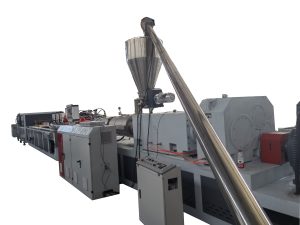
What is a plastic extrusion line?
Plastic extrusion lines are used to shape raw plastic into continuous shapes. The process begins by heating and melting the plastic material. Once melted, it is passed through a die to form the desired shape.
The main components of plastic extrusion line are:
Hopper: This is where the raw plastic, usually in the form of pellets or pellets, is fed into the machine.
Screw and Barrel: A rotating screw inside a cylinder pushes the plastic forward, generating heat through friction and mixing of the material as it moves.
Matrix: The matrix shapes the molten plastic into the desired continuous profile, such as pipes, sheets or other shapes.
Cooling System: After passing through the die, the plastic is cooled, usually using a water bath or chill rollers, to harden and maintain its shape.
Cutter: Once the plastic has cooled and hardened, it is cut into specific lengths to suit production needs.
How do plastic extrusion lines work?
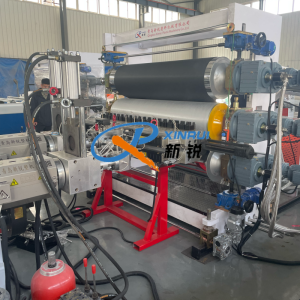
The extrusion process begins by feeding raw plastic into a hopper. The plastic is then transferred to a barrel where heat is applied. A rotating screw inside the cylinder mixes and melts the plastic, which is then forced through the die. The stamp presses the molten plastic into a continuous shape, which can be anything from pipes to profiles. After exiting the die, the molded plastic passes through a cooling system to harden. The cooled plastic is then cut to the desired length.
Key factors in this process include:
Temperature Control: Ensuring that the plastic melts evenly is critical to preventing defects in the final product.
Screw Design: The screw must be designed to effectively mix and push the molten plastic through the system, ensuring smooth and uniform extrusion.
By carefully controlling these factors, manufacturers can provide high quality and consistent products.
Types of extrusion lines for plastic
Plastic extrusion lines come in different types, each designed to meet different production needs. Understanding these types can help you select the right type based on material properties and manufacturing requirements.
What types of plastic extrusion machines are there?
| Extruder type | Description |
| Single screw extruders | Simple, economical, ideal for basic applications such as pipe and sheet production. |
| Twin screw extruders | Features two meshing augers for better mixing and compounding, ideal for difficult materials. |
| Parallel Twin Screw Extruder | The screws are arranged in parallel, with good mixing and plasticizing effects, suitable for various materials. |
Single and twin screw extruders
Both single and twin screw extruders are commonly used in plastic extrusion, but each serves a different purpose:
Single screw extrudersare best suited for simpler tasks. They are economical and reliable, but may not provide the thorough mixing required for more complex materials.
Twin screw extrudersprovide more precise control over the mixing process. They are ideal for mixing multiple materials or adding additives, providing better performance for specialty materials and more consistent performance.
Knowing when to use each type depends on your production needs and the characteristics of the material. Single-screw models are great for basic applications, while twin-screw models are great for tasks that require better mixing or control of material handling.
Materials used in plastic extrusion
Plastic extrusion can process a wide variety of materials. Understanding what plastics can be used and how they affect the extrusion process is key to achieving quality results.
What plastics can be processed using extrusion machines?
Common plastics used in the extrusion process include:
PVC (polyvinyl chloride): often used for pipes, profiles and flooring. It is durable and easy to process.
Polyethylene (PE): Commonly used in packaging, films and bags. It is flexible and resistant to chemicals.
Polypropylene (PP): Used to make automotive parts, medical supplies, and consumer products. It is resistant to high temperatures and chemicals.
Polystyrene (PS): Ideal for disposable cutlery, packaging and toys. It is tough and light.
Some special materials require special care during extrusion:
Recycled plastic: These materials need proper handling to ensure consistent quality and prevent contamination during the process.
How does material selection affect the extrusion process?
The type of polymer chosen greatly influences the extrusion process. Different plastics have unique characteristics that affect:
Temperature Settings: Each material has its own melting point. For example, PVC requires a lower extrusion temperature than polyethylene.
Screw Design: Some materials, such as polystyrene, require a smoother screw for better flow, while others, such as polypropylene, may require more mixing for uniformity.
Production efficiency: Some materials flow more easily than others. Polyethylene, for example, can be processed quickly, while bioplastics may require lower rates to prevent degradation.
Selecting the right material helps optimize extrusion efficiency, reduce waste and maintain product quality.
Application of plastic extrusion line
Plastic extrusion lines are versatile tools used in various industries. They can create many different products, providing flexibility and efficiency for manufacturers.
What products can be made using plastic extrusion machines?
Here are some common products made using plastic extrusion:
Pipes and Tubing: Extrusion is commonly used to create pipes for water supply, drainage and irrigation. These pipes can be made from materials such as PVC and polyethylene.
Wire Insulation: Extruded plastic is ideal for insulating electrical cables. This process creates a smooth, uniform layer of insulation for wires and other electrical components.
Window and Door Profiles: Continuous profiles for window and door frames are manufactured using extrusion. These profiles are often made from PVC or other durable plastic.
What are the advantages of using plastic extrusion machines in production?
Plastic extrusion has a number of advantages, especially for large-scale production:
Cost-effective: The extrusion process is highly efficient, making it ideal for high-volume production. This helps reduce production costs.
Ability to create complex shapes: Extruders can produce a wide range of shapes, from simple pipes to more complex profiles. This flexibility makes it suitable for many industries.
High Precision and Consistency: Extrusion ensures that each product is produced with the same dimensions and quality, making it reliable for mass production.
These advantages make extrusion lines indispensable in various industries, from construction to automotive and beyond.
Frequently Asked Questions About Plastic Extrusion Machines
Q: What is the main purpose of plastic extrusion line?
A: The main purpose is to heat and melt plastic materials and then pass them through a die to create continuous profiles such as tubes, sheets and films.
Q: What industries use plastic extrusion?
A: Industries such as automotive, construction, packaging, medical and electrical use plastic extrusion for products such as pipes, tubing, window frames and wire insulation.
Q: How long do plastic extrusion lines last?
A: With proper maintenance, plastic extrusion machines can last 15-20 years, depending on the model and use.
Q: Can extrusion lines process plastic?
A: Yes, extrusion machines can process recycled plastic into new products, which helps reduce waste and supports sustainability.
Final Thoughts on Plastic Extrusion Machines
Plastic extrusion lines play a critical role in modern manufacturing, providing versatility and efficiency across all industries. When choosing a machine, it is important to consider your specific production needs. Looking to the future, extrusion technology will continue to evolve, driving sustainable production methods and green innovation.